Halloween o Día de Muertos / Halloween or Day of the Dead - 5 minutes of Spanish + Podcast (English version) Edición 286

Welcome to "5 Minutes of Spanish." Thanks for being here. What’s our topic today?
As the end of October approaches, an old debate resurfaces in Mexico…
Audio 
Yes, I know: should we celebrate Halloween, or should we dedicate these days exclusively to the Day of the Dead (*Día de Muertos*)?
Exactly. Some people champion Mexican traditions and feel that Halloween—a celebration originating in the United States—is displacing our own customs. Others enjoy both holidays and see no contradiction at all.
But do we really have to choose?
Halloween—also known as *Noche de Brujas*—is celebrated on October 31st. Its roots lie in ancient Celtic celebrations, specifically Samhain, which marked the end of the harvest and the beginning of winter.
Over time, the holiday evolved and took on many of the characteristics we recognize today: costumes, pumpkins, candy, and the famous phrase, "Trick or treat!"
In Spanish: “¡Dulce o travesura!” o “¡Dulce o truco!”.
In México: Queremos halloween / We want Halloween

The Day of the Dead, for its part, is primarily celebrated on November 1st and 2nd, though the specific dates and customs vary by region and community. It is a Mexican celebration that brings together elements from both indigenous cultures and the Catholic tradition. Families remember their loved ones by preparing altars—adorned with photographs, marigolds, candles, and food—and sharing stories about those who have passed away.
While each family may experience death in its own unique way, the Day of the Dead is a celebration rich in color, flavor, symbolism, and memory.
So, why does this rivalry exist?
Those who prefer to celebrate only the Day of the Dead argue that Halloween is not a Mexican holiday—that it is an American influence—and that children might end up forgetting their own traditions.
They also point out that Halloween has become highly commercialized, encouraging the purchase of costumes, candy, and plastic decorations. And, of course, there is the classic concern about tooth decay from eating so many sweets!
Those who enjoy Halloween counter that it is a fun celebration, especially for children. They love dressing up, getting together with friends, decorating their homes, and going out to collect candy.
It is true that it is commercial, but many celebrations today have a commercial aspect.
As for the waste it generates? We can reuse costumes, make our own decorations, and find ways to celebrate without buying so many new things.
Most importantly, those who celebrate Halloween do not necessarily forget the Day of the Dead. Many families enjoy both holidays and pass on the significance of each one to their children.
But how do we come to have such different feelings about these celebrations?
I believe a significant part of the answer lies in our childhood. The holidays we experience when we are young remain in our memories. We remember not just the dates, but also the scents, the flavors, the people, and the emotions we shared.
I remember checking the calendar to see when the next holidays were coming up. For me, the best part was having no school and being able to play more.
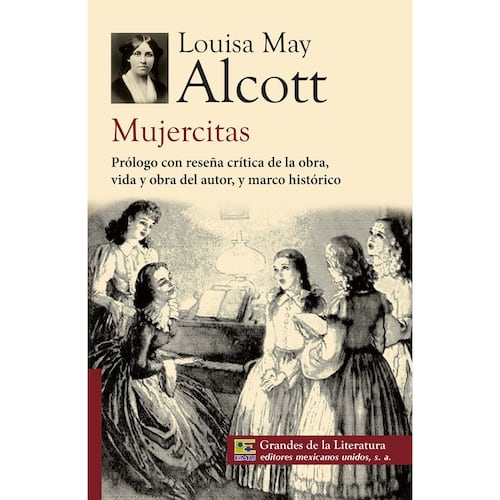
Halloween was not part of the celebrations in my home. It was a distant holiday—something from the United States—that I learned about through English classes and books, such as Louisa May Alcott’s *Little Women*. I would imagine long dresses, blonde curls, and girls living in a grand house during the Civil War…
For our children, however, the experience was quite different. Due to globalization and celebrations held in their English classes, Halloween became a part of their childhood. They learned to enjoy it, to dress up in costumes, and to go out trick-or-treating.
It was the favorite holiday of our son, Maurizio, who passed away from cancer in 2008. He loved dressing up and going from house to house in the neighborhood to ask for candy. Today, as we look back on that joy, Halloween holds a personal meaning for us as well.

This leads me to believe that traditions are more than just dates on a calendar; they are also the memories, experiences, and affections we share with others.
Cultures evolve. Some customs fade away, others transform, and some arrive from distant places, finding a place in our own lives.
Perhaps we don’t need to treat Halloween and the Day of the Dead as if they were enemies. We can teach children the origins of each celebration and allow them to enjoy both, all while keeping the history and value of Mexican traditions alive.
And now, it’s time to hear from the little ones.
¿Dulce o travesura? ¿Dulce o truco?
In México “¡Queremos Halloween!”.
“¡Queremos Halloween!”.
Happy Halloween! Feliz Noche de Brujas
May we always have plenty of sweets, memories, and a desire to share our traditions.
And, speaking of which, we invite you to join us tomorrow, Thursday, for a workshop on the Day of the Dead in Mexico. It will take place at 2:00 PM via Zoom. Reserve your spot!
Thanks for tuning in to the podcast.
See you soon!
Bye for now!

Si quieres aprender español: Click aquí


Comentarios
Publicar un comentario